

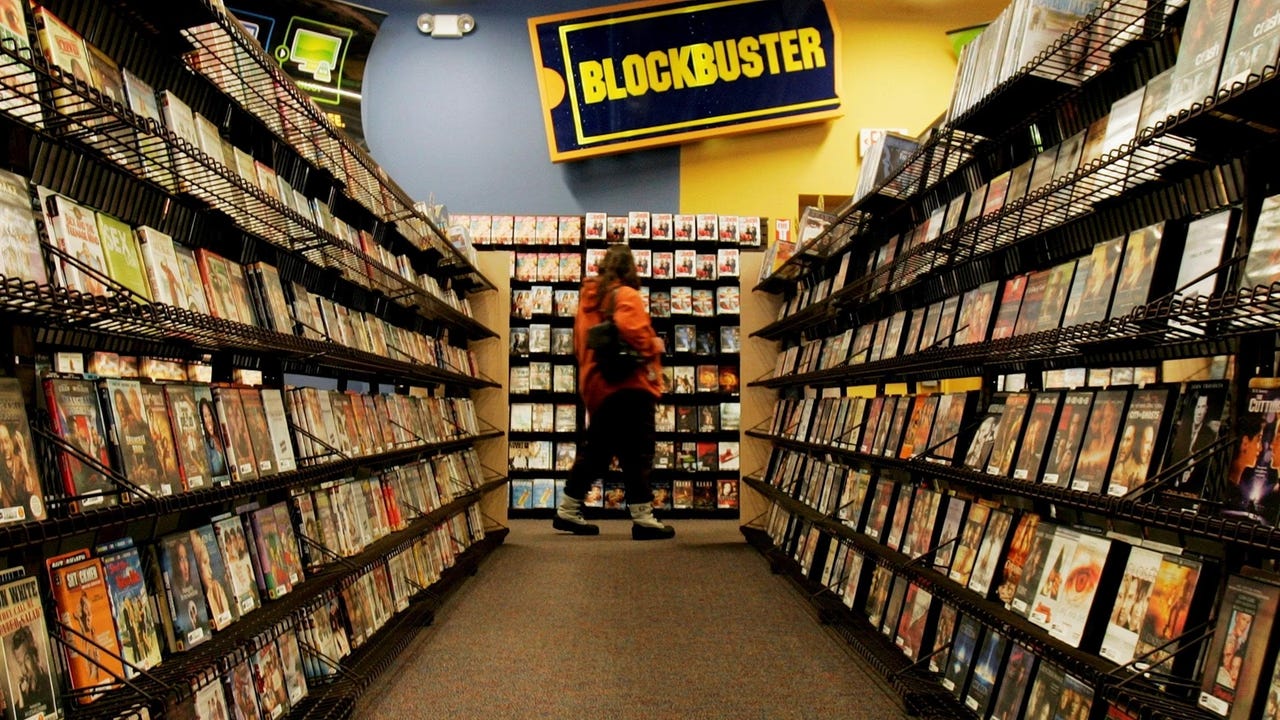
I love movies. There’s nothing I enjoy more than settling down in a cinema, a box of popcorn in one hand (salty, never, ever sweet - I’m not a nonce) and a branded drum of carbonated sugar-water in the other. As I sit my gelatinous buttocks on the chair, the lights go down, and I relax, ready to immerse myself in a tale told in technicolour. That is until someone starts talking or checks their phone, at which point I cease relaxing and instead dream of behaving like Michael Douglas in Falling Down.
If you don’t know Falling Down, it’s the story of a good man doing his best who got pushed too far and then decided to run amok with a gun around LA. What else was he meant to do? Have therapy? He was a middle-aged man in 1993; therapy was just drinking scotch in the dark and shouting at the dog.
I digress. Falling Down wasn’t a blockbuster, but it’s a film that lingers in the public conscience decades after its initial release. It only made $96 million at the box office - a figure that in 2026 would make a Disney executive set themselves commit ritual seppuku in the boardroom with a plastic lightsaber, but to this day, it’s still quoted, referenced, and raided by nerds for niche Halloween costumes. The true metric of a film’s success is if decades later a divorced IT consultant can put on a short-sleeved shirt, carry a briefcase and have three people at Comic-Con go, “oh yeah”.
It’s one of the great films of 1993, the adolescent year of what is, for me, one of the golden ages of cinema. For two very specific reasons.
1. The DVD Market
These days, movies only really get one chance. A few weeks in the cinema, and if you don’t catch fire immediately, you and everyone else are out of this town for good. They’ll make a feeble sum selling it to a streaming giant, and after that it’s gone forever, buried on page 47 of Amazon Prime between Zombie Christmas 3 and a Bulgarian Jason Statham film called Maximum Revenge Time 4: Time 4 Revenge.
Given those stakes, it’s hardly surprising the big studios have become as gun-shy as they have. Reboots galore, remakes a-plenty, and safe, limp movies that won’t offend anyone but also won’t live in the memory long after the credits roll.
If you’re below the age of 30, you might not know this: there used to be comedy films. Actually, real-life comedy films; 90-minute sequences of moving pictures designed to make you laugh. Some were big spectacles, but many were just humble, low-stake stories. High Fidelity, Napoleon Dynamite, Clerks, This Is Spinal Tap, Best In Show, Dazed And Confused. Films in which the central question might only be “Will this man keep his record shop?” Not “Can they stop a huge purple bellend from diddling half the people in the multiverse?” They’re dead now; nobody wants to pay 60 quid for him and his missus to watch a film where zero bridges explode, plus nine for a Tango Ice Blast.
The same is true for dramas, arthouse pictures, and psychological thrillers. The only niche genre - i.e., not Marvel nonsense - that seems to have survived this scourge is horror. Don’t want to watch a slop-block-bluster? No worries! Go to screen 5 where you will promptly shit yourself on a filthy recliner.
It didn’t used to be this way - Hollywood used to have a pretty tasty back-up. If the film flopped in the cinemas there would be a very real chance it could be rediscovered in the home video and then the DVD market.
The ultimate example of this is The Shawshank Redemption.
Now, I can see many of the movie hipsters rolling their eyes and scoffing audibly because I picked possibly the most obvious choice to back up my argument; Next I’ll be telling you The Godfather is quite good and Stanley Kubrick knew where to point a camera. Relax guys, you can put down your A24 tote bags. Just hear me out. The story of how that movie turned from ‘underwhelming financial flop’ to one of the most beloved movies of modern times is fascinating.
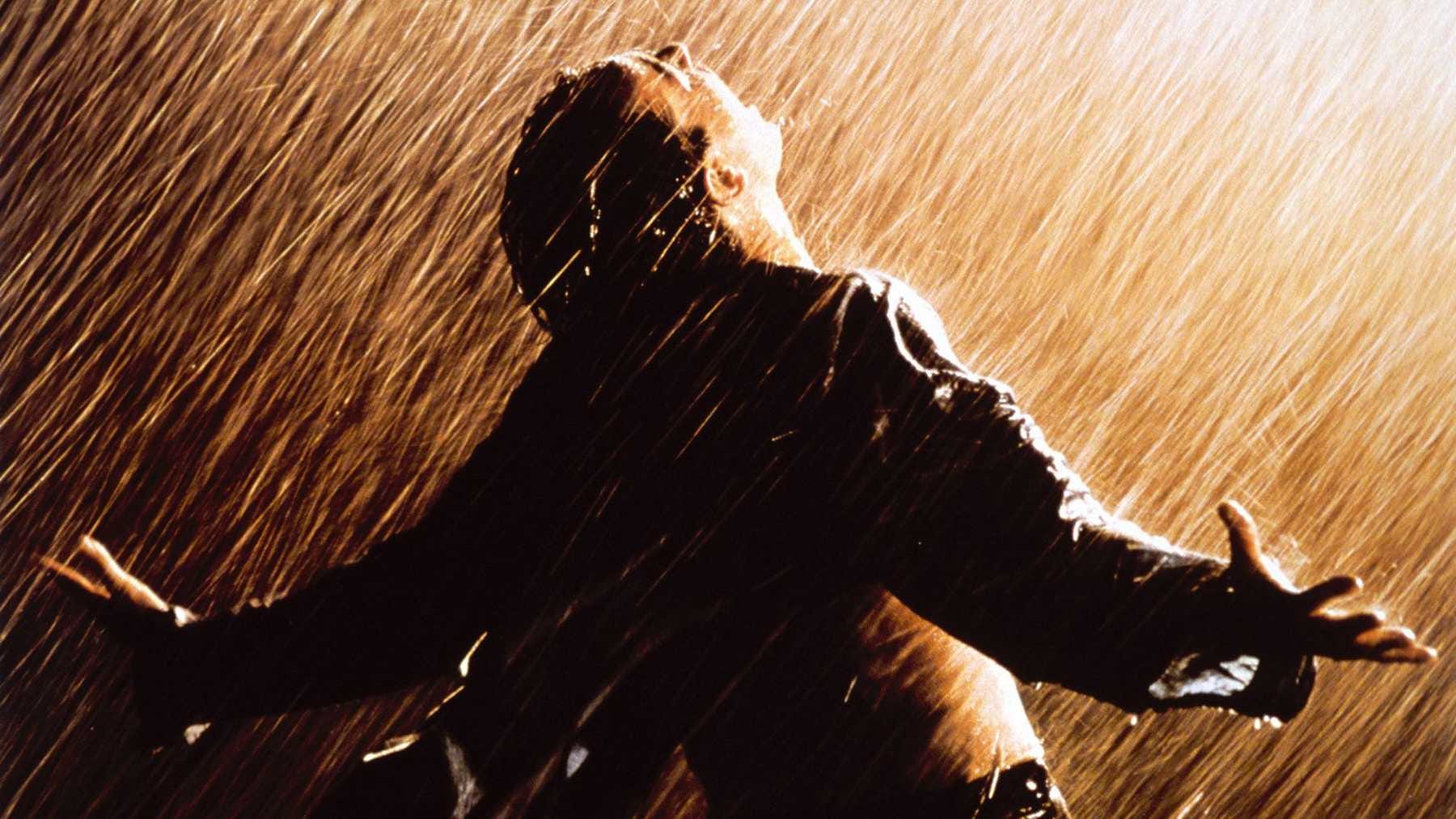
In case you’re an amoeba, The Shawshank Redemption is a prison drama based on a widely forgotten Stephen King novella. It was released in 1994 to waves of “meh.” The critics enjoyed it, but audiences avoided it. As such, it grossed a dismal $16 million. That Disney exec is now going at his face with a cheesegrater.
Now there are a few mitigating circumstances to factor in here. Firstly the name was crap. ‘The Shawshank Redemption?’ What does that even mean? It sounds like a shady life insurance company. The only thing I know is that a movie with that title probably won’t feature guns or female characters with massive knockers which rules out the majority of the male population. Secondly, it had an all-male cast, and featured a vicious bumming. Now this was in the 90s, before bumming was cool. So, there goes the rest of the male audience, and the female one with it.
Oh, and that year, it was competing for attention with two lil’ motion pictures called Pulp Fiction and Forrest Gump.
The producers also, in their infinite wisdom, decided not to use Stephen King’s name in promotional material as they didn’t want people to think it was a horror movie. Y’know, the guy behind cultural behemoths Carrie, The Shining, It, Misery, and the Stand. Of course you don’t want that old turnip cranking your style.
Now, this is where things start to get really interesting. The production company that made the film, Castle Rock, was bought by entertainment guru and wannabe cowboy Ted Turner. Teddy thought it was brilliant. He thought that it underperformed significantly and believed that all it needed for the movie to thrive was to get people to watch it. A radical theory in the entertainment industry, where the audience is now considered an inconvenience. So he placed it on near constant rotation on his cable TV channel, TNT.
Ted was right. The popularity of the movie exploded. People couldn’t get enough of it and, in the three decades since, it’s become one of the most popular movies of all time. It’s literally #1 on IMDb, above the likes of 12 Angry Men, Casablanca, and Air Bud.
What a lovely story. But imagine if it was released now. There’d be a theatrical release, a flop, followed by joyless obscurity until the sun explodes. Netflix would quietly upload it under “Critically Acclaimed Dramas”, where it would sit untouched beneath a thumbnail of Kevin Hart screaming at a 50ft tall white woman. I mean, would it even get made now? No one’s wearing a super hero costume, no special effects, no gratuitous nudity. What is there apart from a truly heart rending story, which is beautifully acted, masterfully written and exquisitely directed? Nothing. Where’s the hook? There’s nothing you can even put on a lunchbox.
There might be thousand Shawshank Redemptions out there, rotting on streaming services after a feeble box office run. Some of them may have even gone straight there. Most of them will be shit, but with DVDs, the cream could rise to the top. Now, all that lovely cream goes to waste, spilled and pooling on a wet concrete floor like where Andy met The Sisters. I don’t like this analogy anymore.
There’s a great Substack called Stat Significant, and they did a deep dive on the collapse of the DVD market and the disastrous effect it had on the movie industry. Which is what Substack was invented for: somewhere men over 35 can publish graphs about why everything was better in 2006.
At its peak, in 2006, the market was worth 16.6 billion dollars in US movie sales alone. It was worth around 60% of total movie studio revenue. It’s now worth around 800 million dollars. That’s a decrease of around 95.2% in value. Catastrophic is putting it mildly.
In the DVD age, hits could be hits twice. The comedy classic Superbad made 169 million dollars at the box office. Pretty good, but it also made 141 million dollars in DVD sales. Autists out there, I beat you to it: Superbad made nearly half its money from DVDs.
And it wasn’t just good films that benefited. Look at Michael Bay’s transformers. Everyone knows Transformers is unspeakably awful, but it turns out if you put enough explosions on screen and keep them in close proximity to a near-nude Megan Fox, you’ve got yourself a money machine. The first Transformers grossed 708 million at the box office and 305 million on DVD. That’s over a billion dollars!
And what were the studios going to do with all of this money? Well some of it was invested into cocaine, strippers and fat bonuses for everyone involved, but some of it was also used on making smaller more creative movies.
But the most beautiful thing about DVDS is their ability to rescue those brilliant bombs from obscurity. The Shawshank Redemption is not alone here. Take the cult 90’s comedy classic Office Space. A work of satirical genius by Beavis & Butthead and King Of the Hill creator Mike Judge, it’s today seen as one of the great dress-downs of corporate culture and, well, office life to ever grace the screen. Off the back of two hit shows and starring Jennifer Aniston at the peak of her Friends’ power, it underperformed massively. Globally, it only grossed 12.2 million dollars. This bomb would even kneecap one of Mike Judge’s later films, the even more popular Idiocracy, which bombed horrifically on release. However on DVD, it was a hit, and earned double what it ever made at the cinema.
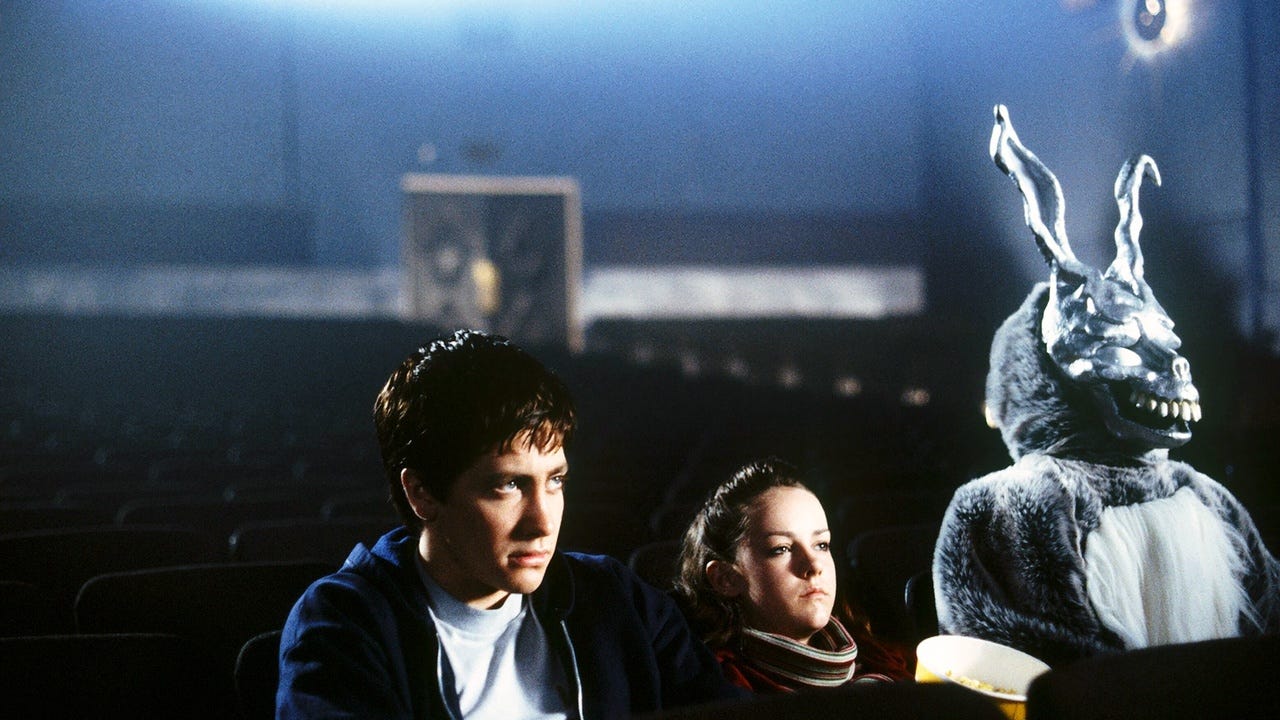
Then there’s Donnie Darko. This esoteric time-travel movie about a wanking Jake Gyllenhaal took home a pitiful 517,000 dollars. There were many factors - Jake wasn’t a star yet, the plot was insane, and nobody knew how to sell it. Oh, and it featured a plane crash in the trailer, weeks after 9/11. Apparently 500,000 of those 517,000 dollars came from Saudi Arabia. But again, as word spread of this strange, sci-fi family drama with a wanking Jake Gyllenhaal began to spread, and off the back of one of the most depressing Christmas #1s of all time, Donnie Darko made millions on the DVD market. At last, it was a hit.
These films simply don’t exist any more. But companies like Miramax, a company with absolutely no troubling historical footnotes whatsoever, (whatever happened to them?) made tens of millions of dollars by making them. Miramax launched careers of a whole host of directors and actors but in particular Quentin Tarantino who then went on and created some of the most beloved movies of the last thirty years. Yes I know Pulp Fiction was released in 1994 and Reservoir Dogs in 1992 and that’s well over thirty years ago but I’m getting old and I don’t want to admit it. Anyway you know what they say, 44 is the new 33. Is 33 even young? Who knows anymore.
But it wasn’t just Tarantino, it was: Matt Damon, Ben Affleck, Kevin Smith, Uma Thurman, Robert Rodriguez, as well as bringing faded stars necromanced from the mausoleum, like John Travolta. After a string of disastrous flops including the Look Who’s Talking series (one movie about a talking baby is fine. But three?), Travolta was pretty much unbookable. No major studio would take a punt on him. It took a freak like Tarantino to see the potential; he convinced Miramax to pay him $150,000 to appear in Pulp Fiction. Within a year, he was nominated for Best Actor at the Academy Awards.
Mind you he did end up going on to make Battlefield Earth a movie based on an L Ron Hubbard novel which is widely considered to be the worst movie ever made. A film so bad it makes Scientology the second-worst thing L. Ron Hubbard was responsible for. So I’ll let you decide if that’s a good thing or not.
Studios know that the only way to make any money at all is to get bums in theatre seats; there’s no DVD market, no rental circuit, so once it’s out, it’s out. A film now has roughly the same commercial lifespan as a yoghurt. That means making exclusively things that people deem worthy of seeing at the cinema. Remember those great comedies, dramas, musicals and arthouse films I mentioned earlier? Yeah, they’re gone now. Replaced by an infinity of Ryan Reynolds action-comedies and superhero slop. If it’s not a spectacle, everyone just waits until it’s on telly, when the studio hardly sees a cent.
Studios still make money on streaming services through VOD - which stands for Video On Demand, basically DVD but without any pesky DVDs. All the joy of owning a film, except you don’t own it, but nothing compared to what they used to make on the post-theatre market.
One of the most successful movies of the last few years was Wicked. Wicked made 756 million bucks at the box office. On (VOD) it made 100 million. Which works out at a little over 13% of the percentage of box office. That’s less than a third on what Transformers made on DVD. And Wicked made nearly fifty million bucks more at the box office.
Can you guess what was one of the most popular movies of recent years? That’s right, it’s the Super Mario Bros Movie and yes, correct again, our civilization is in terminal decline and maybe we do deserve it. Anyway, it made 1.356 billion at the box office. Which is obviously a dire indictment on everyone currently alive. Even that only made 75 million on VOD. That’s 5.5% of the percentage of the box office. A lamentable return. In 2006 studios would have expected to make 20% of total box office revenue from DVDs at the very least, which in this case would have amounted to just over 271 million bucks.
The numbers in streaming are opaque but let’s look at one deal that made headlines. Netflix paid Sony one billion dollars for access to its movie catalogue over four years. Which sounds amazing; one billion dollars is nothing to be sniffed at. However, that’s 250 million dollars a year for access to Sony’s entire back catalogue. That’s decent money, but not DVD-revenue-in-2006 money. It’s less “fuck you” money, more “let’s not argue” money.
2. Arrested Development
It’s our fault as much as it is theirs; if we didn’t watch it, they’d stop making it. Capitalism always wins. And what people want in these miserable, atomised and cash-stained years is a passport back to a time when things weren’t so awful and that means… childhood. Endlessly and forever.
